
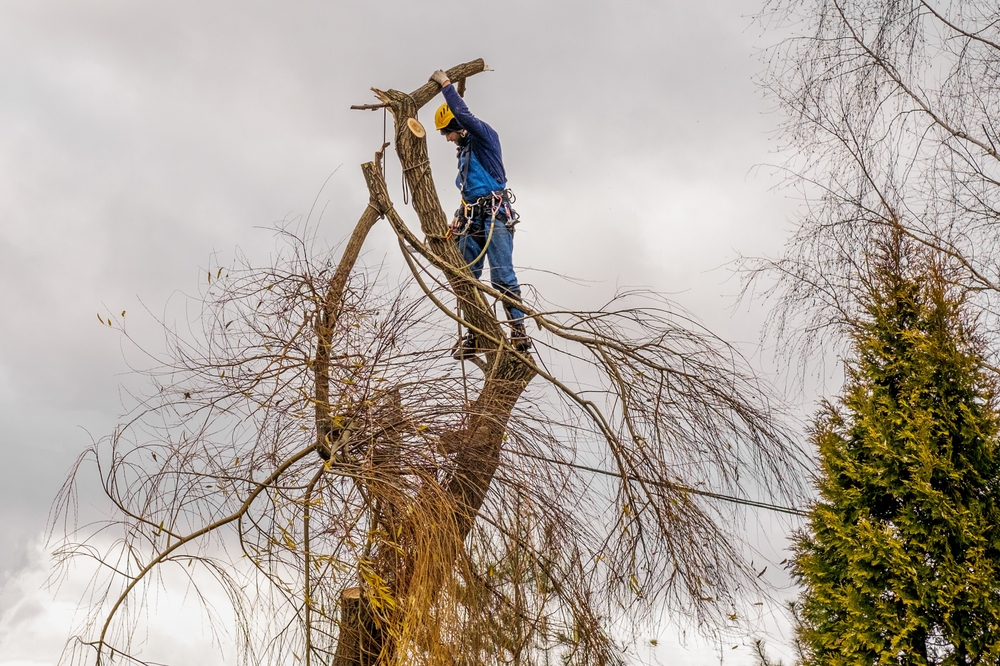
Great Falls, MT is known for its striking winters; temperatures can plummet, snow can pile up, and ice storms are not uncommon. While the beauty of a snow-covered landscape is undeniable, the risks posed to trees during winter are significant and should not be overlooked. Winter tree inspection is critical to identifying problems that could become dangerous during the coldest months of the year.
Trees undergo tremendous stress in winter due to rapid temperature fluctuations, heavy snow and ice accumulation, and strong winds. These elements can lead to split branches, cracked trunks, and even entire trees toppling over. Homeowners often assume their trees are hardy enough to withstand Montana’s winters, but even the hardiest native species can suffer damage, particularly older or weakened specimens. Routine inspection and timely action can prevent serious problems like property damage or personal injury.
Tree hazards are not always visible to the untrained eye. Cracks in limbs, weak branch unions, and signs of disease or pest infestation can be hard to detect without professional help. This is why a winter tree inspection performed by a certified arborist is highly recommended before the coldest conditions arrive.
How Snow and Ice Impact Tree Health and Safety
The weight of snow and ice can be a silent destroyer for trees in Great Falls. Even a few inches of heavy, wet snow can weigh hundreds of pounds when collected on branches and foliage. Trees with broad canopies or those that haven’t been pruned recently are especially vulnerable to branch breakage. Ice storms are even more destructive, forming a rigid, weighty coat that stresses branches to the breaking point.
Young trees or those with narrow branch angles are especially susceptible. Trees like birch and poplar, common in the area, tend to have brittle wood, which cracks more easily under pressure. Repeated ice buildup can also lead to root plate movement, a shift in the root structure that destabilizes the entire tree.
One often overlooked hazard comes from hidden defects such as internal decay or root rot. These underlying conditions reduce the structural integrity of trees and make them far more likely to fail under winter pressure. An emergency tree service in Great Falls is frequently called out after a storm to deal with trees that could have been stabilized or removed before becoming dangerous.
When to Schedule a Winter Tree Inspection
Timing matters when it comes to winter tree safety. Ideally, homeowners should schedule a winter tree inspection in late fall or early winter, before heavy snow begins. This proactive approach allows arborists to assess the health of trees, identify risks, and take action while conditions are still manageable.
Inspections during winter are also beneficial because trees are bare, making it easier to evaluate structural integrity. Dead or dying limbs are easier to spot without foliage, and potential weak points in the canopy become more visible. This enables professionals to suggest necessary pruning, cabling, or bracing strategies to protect the tree and surrounding property.
There are also situations where an inspection should be scheduled immediately. If you notice leaning trees, large dead branches, bark peeling from trunks, or fungal growth at the base, these are signs that action is needed. Waiting until spring can lead to more serious consequences, especially if a major storm hits in the meantime. Homeowners in Great Falls, MT who prioritize winter safety by calling in a professional for inspections are making a smart investment in long-term property and personal safety.
The Importance of Emergency Tree Service in Great Falls
Despite the best preventive efforts, emergencies can and do happen. High winds, blizzards, or sudden ice storms can cause immediate, dangerous situations. When a tree falls on a power line, blocks a driveway, or crashes into a roof, the only solution is a quick response from a trained emergency tree service in Great Falls.
Emergency services operate under challenging conditions, often in the middle of storms or shortly afterward. They have the right equipment, knowledge, and experience to remove hazardous trees or branches safely, without risking further damage. These teams are trained to manage complex removals, such as trees entangled with utility lines or those in tight residential spaces.
Additionally, professional services can help mitigate further risks by assessing neighboring trees after an incident. A fallen tree may indicate others are also at risk due to shared root systems or similar structural weaknesses. Fast, expert action is essential to restoring safety and preventing repeat incidents.
Relying on DIY solutions during tree emergencies is a gamble. Without proper tools and safety training, attempting to cut or remove a fallen tree can result in serious injury. Great Falls residents are advised to keep the contact information for a reputable emergency tree service on hand throughout the winter months.
Choosing the Right Tree Care Professional in Great Falls, MT
Not all tree services are created equal. When it comes to ensuring the safety of your home and family, choosing a qualified, insured, and experienced professional is essential. Look for companies that are licensed in Montana, have positive local reviews, and employ ISA-certified arborists. These credentials indicate a higher level of training and adherence to industry best practices.
A qualified tree care professional will offer a comprehensive winter tree inspection, including visual assessments and, when needed, the use of diagnostic tools like resistographs to test for internal decay. They will also provide clear, written estimates and explain their recommendations without pressuring you into unnecessary services.
Local knowledge also matters. Professionals who regularly work in Great Falls understand the specific challenges of the local climate and tree species. They can make better-informed decisions about what action is needed, whether it’s pruning, bracing, or full removal. Choosing a local expert means you’ll also get faster service in the event of an emergency.
Finally, look for providers who emphasize safety and communication. Tree work can be hazardous and intrusive if not managed carefully. A good tree service team will take precautions to protect your property, keep you informed throughout the process, and clean up thoroughly once the job is done.
Conclusion
Winter in Great Falls, MT brings stunning scenery and significant tree-related challenges. Heavy snow, ice, and high winds all conspire to test the strength and structure of trees, increasing the risk of property damage and personal injury. A timely winter tree inspection can make all the difference, helping homeowners identify vulnerabilities before they turn into disasters.
Whether it’s assessing an aging oak in the backyard or removing a hazardous pine hanging over your roof, calling in a professional is the smartest move. Don’t wait for a limb to crash down or a storm to turn a healthy-looking tree into a threat. Take proactive steps, know when to ask for help, and be prepared to call an emergency tree service in Great Falls when needed.
Peace of mind in winter often begins with the health of your trees. Make safety a priority this season, and your landscape, and your home, will thank you.
Need Tree Services Near You?
At Dave’s Tree Service, we’re more than just tree experts; we’re your neighbors, dedicated to keeping Great Falls’ outdoor spaces safe, healthy, and beautiful. Whether you need tree removal, trimming, or stump removal, our family has been proudly serving the community since 1985 with dependable service and honest care. We offer prompt emergency response and special discounts for veterans, working-class individuals, and seniors because we believe everyone deserves quality tree care. Contact us today to schedule a consultation; we’ll treat your trees like they’re our own!