
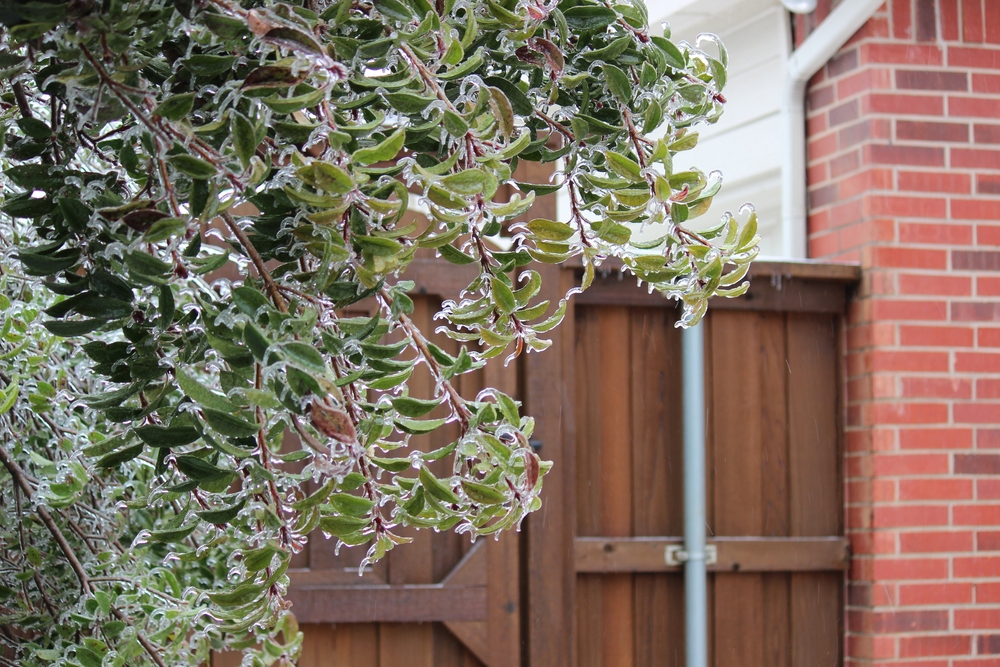
As winter fades and spring arrives in Great Falls, Montana, many homeowners are discovering the extent of damage their trees sustained during the brutal winter season. Heavy snow, ice, and powerful winds have left countless trees across the region with broken branches, split trunks, and compromised structural integrity. This is the perfect time to address winter storm tree damage and implement a comprehensive spring tree cleanup strategy that will restore your landscape and protect your property.
Winter Storm Damage to Trees in Great Falls
Winter storms in Montana bring unique challenges to trees and landscaping. The combination of heavy, wet snow and freezing temperatures creates conditions that push trees beyond their limits. Branches laden with ice become significantly heavier, and when wind gusts arrive, the structural stress becomes overwhelming. In Great Falls, many trees experienced unprecedented damage this winter, with some neighborhoods seeing multiple trees with snapped limbs and cracked trunks.
The type of damage varies depending on tree species, age, and health status. Younger trees and those already weakened by disease or previous damage are particularly vulnerable to winter storm tree damage. Evergreens like spruces and pines, which retain their foliage year-round, face increased wind resistance during storms. Deciduous trees in their dormant state are generally more flexible, but mature specimens with large branch structures can still suffer significant broken branch removal needs. Understanding what happened to your specific trees is the first step in developing an effective spring tree service plan.
Assessing Your Trees for Storm Damage
Before beginning any spring tree cleanup work, take time to thoroughly inspect your trees for damage. Walk around your property and look for obvious signs of trouble. Broken branches hanging at odd angles, bark stripped from trunks, and V-shaped cracks at branch junctions are clear indicators of storm damage. You may also notice branches that are bent but not yet fallen, which pose risks during spring winds and should be addressed promptly.
Pay particular attention to trees near your home, driveway, or utility lines. Damaged branches in these areas present safety hazards and should be prioritized for broken branch removal. Look for branches that are partially attached, hanging loose, or showing signs of splitting. These “widow makers” can fall without warning and cause serious injury or property damage. Dead branches, which appear gray and brittle, should also be removed regardless of whether they were damaged during storms, as they provide no benefit to the tree and create safety risks.
Document the damage with photos if you plan to file insurance claims related to winter storm tree damage. Many homeowners don’t realize that tree damage may be covered under their homeowner’s insurance policies. Having clear documentation helps when working with insurance adjusters and professional tree service companies.
Broken Branch Removal and Professional Assessment
While small branches can often be safely removed by homeowners, significant broken branch removal work should be handled by professional arborists. Tree trimming in Great Falls, Montana requires proper equipment, expertise, and safety protocols. Professional tree service companies understand the biology of trees and know how to make cuts that promote healing and prevent disease.
When removing branches damaged by winter storms, proper technique is crucial. Cuts should be made just outside the branch collar, that slightly swollen area where the branch connects to the trunk. This approach allows the tree to compartmentalize the wound and minimize decay. Making cuts too close to the trunk or leaving stubs both impede the tree’s natural healing process and create entry points for disease and insects.
For storm damage cleanup in Great Falls, MT, professionals also assess whether trees can be saved or should be removed. Some trees may appear severely damaged but can recover with proper pruning. Others may be so compromised that removal is the safest option. An experienced arborist can make these determinations and recommend the best course of action for your specific situation.
Planning Your Spring Tree Service in Montana
Spring is the ideal season for most tree work in Montana. As temperatures warm and trees begin their growth cycle, they have maximum energy reserves to compartmentalize wounds and begin healing. Spring tree service takes advantage of this natural vigor to address winter storm tree damage while minimizing stress to the trees.
Timing matters when scheduling spring tree cleanup. It’s best to complete major pruning work before trees fully leaf out, typically by late spring in Great Falls. This allows you to see the tree’s structure clearly and make appropriate removal decisions. Tree trimming in Great Falls, Montana during this window also puts less stress on the tree compared to pruning during summer heat or fall dormancy.
When planning your spring tree service, prioritize work based on safety and tree health. Address any branches that pose immediate risks to people or property first. Then focus on broken branches that are dead or dying. Finally, consider aesthetic pruning that shapes the tree and removes crossing branches or those that create dense areas susceptible to wind damage. This three-tiered approach ensures resources go toward the most important work.
Long-Term Tree Health and Storm Prevention
Beyond addressing immediate spring tree cleanup needs, consider strategies to reduce future winter storm tree damage. Proper tree maintenance year-round helps trees develop strong structure and resilience. Regular tree trimming in Great Falls, Montana, when done correctly, actually reduces wind resistance and makes trees less prone to storm damage.
Thinning the canopy slightly improves air flow through the branches, reducing the force exerted by wind. Removing crossing branches and competing leaders creates a stronger structure. Maintaining appropriate branch angles, where branches attach to the trunk at angles greater than 45 degrees, ensures stronger connections that resist snow and ice loading.
Species selection also matters for Montana properties. Native trees adapted to local conditions generally handle winter storms better than ornamental or non-native species. When replacing storm-damaged trees or adding new ones, consider species like ponderosa pine, Douglas fir, and various aspen species that thrive in Great Falls’ climate and resist storm damage well.
Regular inspection and maintenance throughout the year prevent small problems from becoming major issues. Addressing disease, removing dead branches, and maintaining overall tree health keeps your trees vigorous and resilient. This proactive approach costs less than dealing with major storm damage cleanup after severe winter weather.
Conclusion
Spring 2026 presents an important opportunity for Great Falls, Montana homeowners to address winter storm tree damage and implement comprehensive spring tree cleanup. Whether handling broken branch removal yourself or hiring professional spring tree service, addressing this damage promptly protects your property and promotes tree health. By assessing your trees carefully, prioritizing safety, and planning appropriate tree trimming in Great Falls, Montana, you can restore your landscape and prevent future storm damage through proper maintenance and care.
Need Tree Services Near You?
At Dave’s Tree Service, we’re more than just tree experts; we’re your neighbors, dedicated to keeping Great Falls’ outdoor spaces safe, healthy, and beautiful. Whether you need tree removal, trimming, or stump removal, our family has been proudly serving the community since 1985 with dependable service and honest care. We offer prompt emergency response and special discounts for veterans, working-class individuals, and seniors because we believe everyone deserves quality tree care. Contact us today to schedule a consultation; we’ll treat your trees like they’re our own!