
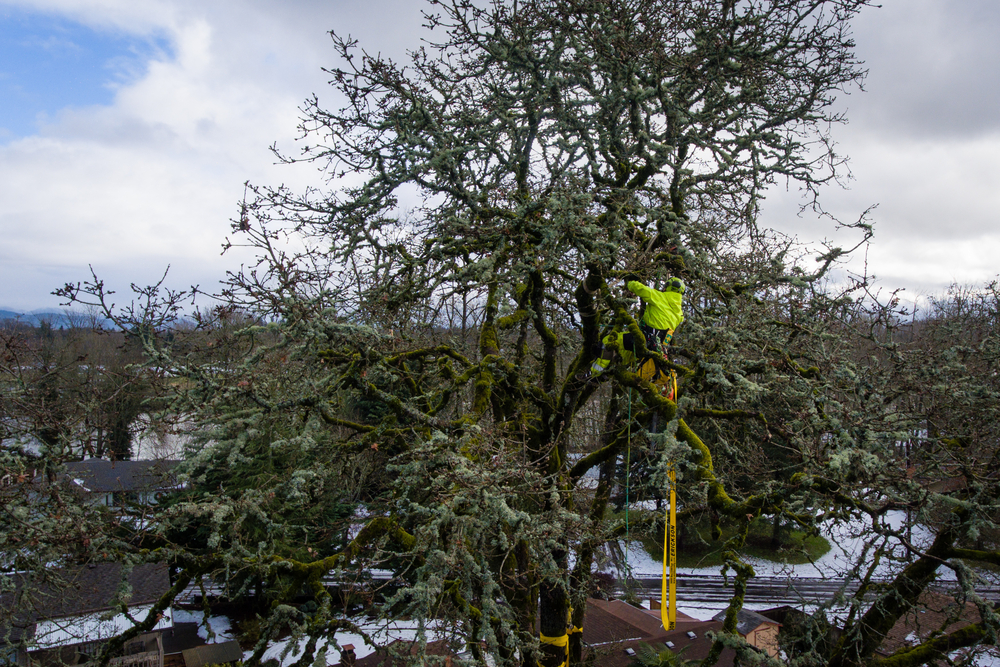
Montana winters are nothing short of legendary, especially in places like Great Falls where temperatures can plunge, snow accumulates fast, and fierce winds are part of the seasonal norm. While winter’s scenic beauty is undeniable, it can be a harsh reality for the trees in your yard. Whether you have newly planted saplings or towering mature trees, winter weather conditions in Great Falls pose unique challenges that can impact the health and longevity of your landscape.
Understanding the effects of winter on trees and taking timely action is key to minimizing damage. Tree owners in Montana who invest in professional tree preparation services and educate themselves on proper winter tree care can not only prevent costly repairs but also ensure their green assets thrive once spring returns.
The Hidden Dangers of Freezing Temperatures
One of the primary threats to trees in a Great Falls winter is the sheer cold. While native Montana species are adapted to cold climates, sudden temperature drops can still cause significant harm. Trees may enter dormancy gradually in the fall, but early frosts or unseasonal freezes can catch them off guard. When cells in a tree’s bark or wood freeze, they can burst, leading to cracks known as frost splits. These splits often run vertically along the trunk and make trees vulnerable to disease and pest infestation in the spring.
Another concern is winter sunscald. On bright, sunny winter days, the sun heats the bark on the south or southwest side of a tree. Once the sun sets or clouds roll in, temperatures drop rapidly and the bark can crack due to the sudden change. This phenomenon is particularly dangerous for young or thin-barked species and is a common problem across Montana.
Prolonged sub-zero temperatures can also affect a tree’s root system. Even if roots are buried beneath the snow, insufficient snow cover or dry winter conditions can lead to desiccation, where the tree loses more moisture than it can absorb. This kind of winter injury often doesn’t manifest until months later when new growth fails to emerge in the spring.
Heavy Snow and Ice Load Stress
Great Falls is no stranger to heavy snowfalls, and while a snow-covered tree might be a beautiful sight, it often masks hidden stress. When snow and ice accumulate on tree limbs, the added weight can bend, crack, or even break branches. Evergreen trees are especially susceptible because their foliage holds onto snow more than deciduous trees, which shed their leaves before winter.
Ice storms are rare but not unheard of in Montana. When ice coats branches, the load increases significantly and the risk of structural failure skyrockets. Limbs can snap suddenly under pressure, creating dangerous situations for nearby structures, vehicles, or people. Furthermore, a tree that sustains partial damage may not show outward signs until spring, when uneven budding or stunted leaf growth becomes apparent.
In addition to the direct physical damage, split or broken branches can expose the inner wood to pathogens and pests, further compromising the tree’s health. Without proactive winter tree care, these issues can escalate into full-blown tree loss.
Animal and Insect Activity During the Cold Season
While most insects go dormant or die off during the winter months, some pests remain active beneath the bark or in the soil. For instance, bark beetles and borers may use existing tree wounds as entry points. Once inside, they feed and reproduce, weakening the tree further. The cold doesn’t always guarantee a pest-free season, particularly when trees are already stressed from the elements.
Winter in Great Falls also brings challenges from animals. Rodents such as voles and rabbits often gnaw on the bark near the base of trees, especially when other food sources are scarce. This type of damage, known as girdling, can cut off nutrient flow within the tree and lead to severe decline or even death. Deer may also browse on twigs and bark during harsh winters, stripping trees of protective layers and leaving them exposed to further injury.
Protective tree wraps and barriers can help mitigate animal damage, but only if applied correctly before the first heavy snowfall. These types of tree preparation services are essential for tree survival in areas prone to extreme winter wildlife activity.
Essential Tree Preparation Services for Great Falls Residents
The best time to prepare your trees for winter is in the fall, but even now, there are steps you can take to mitigate the damage already caused or reduce the risk of further issues before spring arrives. Tree preparation services in Great Falls include a range of activities designed to protect your trees from harsh Montana winters and ensure their health in the following growing season.
One of the most effective steps is pruning. Removing dead or weak branches reduces the risk of breakage during storms and improves air circulation. Proper pruning techniques also help the tree focus energy on its healthiest parts. Late winter, while trees are still dormant, is often an ideal time for pruning because it minimizes stress and prevents the spread of disease.
Another key service is mulching. Applying a layer of mulch around the base of a tree helps insulate roots, conserve moisture, and regulate soil temperature. In Great Falls, where snow cover can be inconsistent, mulch acts as a buffer against freezing soil.
For trees showing signs of distress, professional inspections can identify early warning signs such as frost cracks, fungal infections, or insect infestations. Certified arborists can also recommend cabling or bracing solutions for trees with structural weaknesses.
Winter tree care also includes the installation of physical barriers to deter animals, trunk wrapping for sunscald protection, and strategic watering if conditions allow. Snow may seem abundant, but prolonged dry spells in winter can still deprive trees of needed moisture.
What You Can Do Now to Protect Your Trees
Even though winter is already in full swing in Great Falls, it is not too late to take action. Start by visually inspecting your trees for any signs of breakage, leaning, or damage. Pay attention to areas where snow or ice has built up. If branches appear stressed or bent, gently remove some of the weight without yanking or hitting the limbs. Avoid shaking trees, especially evergreens, as this can cause more harm than good.
If you have young trees, make sure they are protected with wraps or guards. Check that mulch is still in place and hasn’t been blown away by the wind. If temperatures permit and the ground is not frozen, provide your trees with a slow watering to help combat moisture loss.
Most importantly, consider reaching out to a local expert in winter tree care. Tree preparation services available in Great Falls and other parts of Montana are designed to offer seasonal solutions backed by knowledge of local weather patterns and tree species. These professionals can offer tailored advice, emergency support, and long-term plans to keep your trees healthy year-round.
While it may seem like your trees are resting in winter, there’s a lot happening beneath the surface. Being proactive now can prevent irreversible damage and set your landscape up for a vibrant recovery come spring.
Conclusion
Great Falls winters are a test of endurance for both people and plants. With biting cold, heavy snow, and persistent wind, the impact on trees can be significant. However, with timely and informed winter tree care, you can protect your trees from the worst of Montana’s winter weather. Understanding the specific threats — from frost cracks and sunscald to snow damage and animal browsing — allows you to take smart, strategic steps.
Enlisting the help of local tree preparation services can make a world of difference. Whether it’s through pruning, mulching, or wildlife deterrents, these interventions not only save trees from immediate damage but also prepare them to thrive in the seasons to come.
Don’t wait until spring to assess the damage. Act now to shield your trees from further winter stress and ensure they come back stronger and healthier when the thaw begins. In the rugged climate of Great Falls, protecting your trees is not just a seasonal task — it’s an investment in the long-term beauty and safety of your property.
Need Tree Services Near You?
At Dave’s Tree Service, we’re more than just tree experts; we’re your neighbors, dedicated to keeping Great Falls’ outdoor spaces safe, healthy, and beautiful. Whether you need tree removal, trimming, or stump removal, our family has been proudly serving the community since 1985 with dependable service and honest care. We offer prompt emergency response and special discounts for veterans, working-class individuals, and seniors because we believe everyone deserves quality tree care. Contact us today to schedule a consultation; we’ll treat your trees like they’re our own!