
Montana winters can be breathtaking, but they can also be brutal on the natural landscape, especially trees. For homeowners in Great Falls, recognizing the early signs of winter tree damage is essential for safety and property maintenance. The combination of heavy snow, ice accumulation, and fluctuating temperatures can cause significant stress to trees, often turning a once healthy tree into a potential hazard overnight. If left unaddressed, this damage can escalate quickly, leading to costly repairs or emergency tree removal.
Understanding how to perform a basic tree damage assessment and when to call in professionals for hazardous tree removal in Great Falls, MT, can save you both time and money, and more importantly, prevent accidents. This guide walks you through the early signs of damage, explains why winter is especially dangerous for trees, and helps you determine when to seek expert help.
Why Winter Poses a Unique Threat to Trees in Great Falls
Great Falls experiences a variety of winter weather conditions, from sub-zero temperatures to heavy snowfalls and icy winds. These elements collectively exert a unique form of pressure on trees. Snow and ice can accumulate on branches, weighing them down until they snap. High winds during a storm can exacerbate pre-existing weaknesses in tree trunks or branches, causing them to crack or fall. Additionally, fluctuating temperatures can result in freeze-thaw cycles that create internal fissures in bark and wood, weakening the overall structure of the tree.
Older trees or species not native to Montana are especially vulnerable to these winter stressors. Even healthy trees can become dangerous if they’re improperly pruned or growing too close to homes, power lines, or sidewalks. The structural integrity of a tree is often compromised during winter without any visible signs, which is why regular tree damage assessment during the colder months is critical.
Early Visual Indicators of Tree Damage
Spotting tree damage before it becomes a hazard starts with a careful visual inspection. One of the most common signs is broken or hanging branches. These often go unnoticed, especially in larger trees, until they fall. If branches are bent under the weight of snow or ice and don’t bounce back after thawing, that may indicate internal breakage. Likewise, if a tree leans more than it did before winter or has a visible tilt, its root system may be compromised.
Cracks in the trunk are another serious warning sign. Vertical splits can occur due to sudden temperature changes, which cause the wood to expand and contract. While not all cracks mean immediate danger, they can weaken the structure of the tree and make it more vulnerable to wind or additional snow load. Bark that is peeling or falling off without a clear cause could signal frost damage or disease.
You should also check for signs of fungus or mold near the base of the tree or on branches. Fungi thrive in moist conditions, which are common in winter due to melting snow and poor drainage. The presence of mushrooms or cankers may indicate decay inside the tree, increasing the risk of a fall. Another overlooked sign is the presence of sawdust at the base of the tree or holes in the bark, which may point to insect activity made worse by weakened conditions during the winter.
Importance of Professional Tree Damage Assessment in MT
While many signs of damage can be spotted by an observant homeowner, a professional tree damage assessment in Great Falls provides a more comprehensive understanding. Arborists are trained to identify less obvious issues such as internal decay, root instability, and stress fractures that aren’t visible from the surface. Using specialized tools and techniques, they can evaluate whether a tree poses an immediate threat or can be monitored over time.
Tree professionals in MT understand the specific weather patterns and tree species common to the Great Falls region, which gives them an edge when diagnosing problems and recommending appropriate actions. They can determine if pruning, bracing, or removal is necessary and provide advice on preventative care. For example, they might suggest selective trimming to reduce wind resistance or advise on which trees are best suited for replanting in a Montana climate.
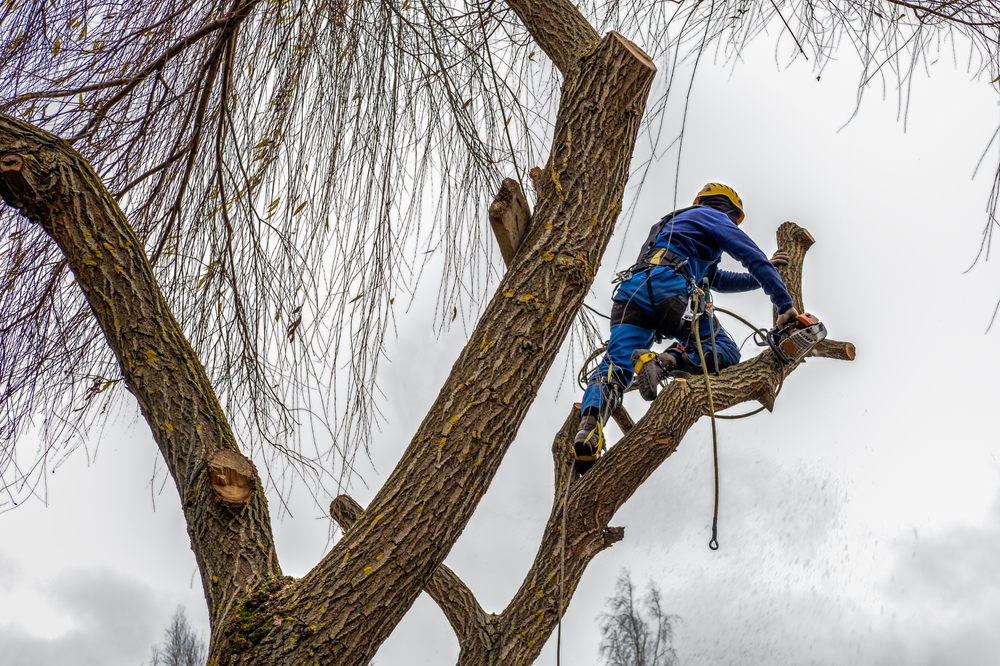
Moreover, certified arborists are insured and trained in safety protocols, which is essential for dealing with hazardous tree removal. Attempting to cut down or prune a damaged tree without the proper equipment and experience can result in injury or further damage to your property. In some cases, city regulations or utility companies may require professional involvement before certain actions can be taken, especially if the tree is near power lines or public roads.
When Hazardous Tree Removal Becomes Necessary
Not all damaged trees need to be removed, but knowing when hazardous tree removal is your best option is vital. If a tree is leaning significantly and shows signs of root damage, such as uplifted soil or exposed roots, it likely can’t be saved. Trees with large dead branches high in the canopy or multiple vertical cracks along the trunk may also be beyond repair. When these issues are left unaddressed, they can escalate into dangerous situations, especially during another snowstorm or wind event.
Trees that are partially uprooted often need to be removed entirely, as their stability can’t be restored. The same goes for trees with extensive fungal infections or infestations that have weakened the structural integrity of the trunk or branches. In urban areas of Great Falls, where homes and vehicles are close to one another, even small trees can cause extensive damage if they fall.
Professional hazardous tree removal in MT involves not just cutting down the tree, but also ensuring that the removal process doesn’t damage nearby structures or landscaping. The stump may also need to be ground down to prevent tripping hazards or regrowth. Professionals can haul away debris, clean the site, and offer recommendations for replacement trees that are more resilient to Montana’s winter conditions.
Long-Term Tree Care to Minimize Winter Hazards
Preventative care is the best defense against winter tree damage. Healthy trees are better able to withstand the stress of cold weather, and proper maintenance goes a long way toward reducing risk. Regular pruning helps remove dead or weak branches before winter begins, improving the tree’s shape and stability. Mulching around the base can insulate roots from extreme cold and reduce water loss.
Selecting tree species that are native or well-adapted to the Great Falls climate ensures better survival rates. These trees are more likely to thrive in the region’s soil and resist local pests and diseases. Adequate spacing when planting also prevents overcrowding and allows each tree to grow a strong root system.
After major storms, it’s wise to perform a post-storm assessment even if your trees appear intact. Snow and ice can hide cracks or breaks that only become apparent later. Having a certified arborist inspect your property at least once a year, ideally after winter, can catch problems early and extend the life of your trees.
Conclusion
In Great Falls, where winter brings harsh and unpredictable weather, the trees on your property are constantly at risk. Learning how to identify early signs of damage through a thorough tree damage assessment is not just about preserving landscaping, it’s about protecting your home and the people who live in it. By understanding the unique challenges of Montana’s climate, being proactive about maintenance, and knowing when to call for hazardous tree removal in MT, you can manage risks effectively and ensure your trees remain an asset rather than a liability.
Ignoring signs of damage can turn a small problem into a big hazard. Whether it’s a cracked trunk, leaning posture, or broken branches, the sooner you act, the better. A little vigilance during the winter months can prevent accidents and preserve the health and beauty of your property year-round.
If you’re unsure about the safety of a tree on your property, don’t take chances. Schedule a professional tree damage assessment in Great Falls today to catch the warning signs before they become costly emergencies.
Need Tree Services Near You?
At Dave’s Tree Service, we’re more than just tree experts; we’re your neighbors, dedicated to keeping Great Falls’ outdoor spaces safe, healthy, and beautiful. Whether you need tree removal, trimming, or stump removal, our family has been proudly serving the community since 1985 with dependable service and honest care. We offer prompt emergency response and special discounts for veterans, working-class individuals, and seniors because we believe everyone deserves quality tree care. Contact us today to schedule a consultation; we’ll treat your trees like they’re our own!